 A diseased body is the biggest enemy of good health. A healthy body looks beautiful, attractive and remains active. Yogasanas and pranayama have a lot of significance in our life. Let us find out as to how can we cure different diseases through nature therapy and Yoga.
Yogic & Ayurvedic Treatment for Asthma:
Practice jala neti, sutra neti and vastra neti daily followed by surya namaskar, tadasana, katichakrasana, sarvangasana, bhujangasana, vajrasana, ushtrasana, gomukhasana, and shavasana, etc.
Practice kapalbhati, bhastrika and suryabhedi pranayama.
Uddiyan bandh and agnisar kriya are also beneficial in cases of asthma.
Eat roasted grams and drink hot milk at bedtime. It cleans the windpipe and helps overcome asthma.
Take 250 grams of Myrobalan marmalade; 50 grams of pipal churna and 125 ml of honey to cure serious cases of asthma.
Yogic & Ayurvedic Treatment for Tonsil Problems:
Practice ardhamatsyendrasana, bhujangasana, dhanurasana, sinhasana, makarasana, halasana, sarvangasana, and matsyasana for problems of the tonsils.
Ujjayi and brahmari pranayama should also be practiced twice daily.
Food containing iodine and vitamin E is beneficial in this case. Wheat and sprouts are good sources of this vitamin. Banana, grapes, raisins, dry dates, tomato and carrot are also good sources of this vitamin.
Mix Jalkumbhi bhasma in rapeseed oil and apply the paste on the throat to reduce swelling caused due to chronic tonsil problems.
Boil dry figs in water and crush them nicely. Apply the paste on the throat to reduce swelling. Barley, Moong, Sespedula and other dry and bitter foods are beneficial in cases of this disease.


 Asthma is a common disorder in which chronic inflammation of the bronchial tubes makes them swell, narrowing the airways. Asthma finds its mention in ayurveda as shwasa roga There are five types of asthma described in ayurvedic texts. The most commonly found type is tamak shwasa i.e bronchial asthma. Diet and regimen play an important role in managing this disease. According to various ayurevedic texts , following instructions if followed properly helps a lot to minimize the intensity of the disease.
 Healthy Foods for older men to prevent prostate cancer, risk of diabetes & heart disease include whole grains, salmon, cherries, cabbage, walnuts, tomatoes and peanut butter.
 Patients and their family may have a history of asthma, atopic dermatitis, and allergic rhinitis. In fact, a number of studies have shown that a majority of children who develop asthma have allergies as a trigger for the asthma. Often a child develops eczema, and then develops allergic nasal symptoms "hay fever" and then asthma.
 Boerhavia diffusa, commonly called hog weed, is known as 'erimmirii' (which literally means water-food). Punarnava is found throughout India and Brazil. It is a very important plant for urinary system. It can be white or red and used as a treatment of liver disorders such as jaundice and hepatitis. Throughout the tropics, it is used as a natural remedy for Guinea worms. The plant is used in folkloric medicine to treat convulsions and as a mild laxative and febrifuge (Adesina, 1979). The roots and leaves are considered to have an expectorant action, to be emetic and diuretic in large doses and are used in the treatment of asthma. The thick roots, softened by boiling are applied as a poultice to draw abscesses and to encourage the extraction of guinea worm (Keary and Hepper, 1985).
 Bacopa is a great neurotonic, immuno-modulator, adaptogen, tranquilizing,
 The garlic is believed to have originated in Central of Asia. It continues to be one of the regular item of China's diet even today. Garlic was being grown in ancient China, Egypt, Greece and Rome and was used both as a staple food and a medicine for several ailments.
 Because of wide medicinal uses of Neem from very ancient time. It is very often called "Villagers' Dispensary." From root to twig this plant is used for medicinal purpose. The Sanaskrit name 'Nimba' confines the term. It is a plant of meliaceae family and its botanical name is Azadirachta indica.




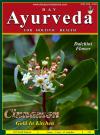 Dec 2024
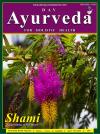 May 2024
 September 2022
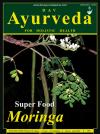 April 2022
 October 2020
 Jan 2020
 June 2019
 January-February 2019
 Augest-September
 April 2018
 November 2017
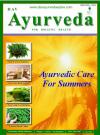 June 2017
 November 2016
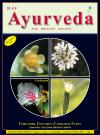 September 2015
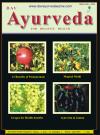 March 2015
 July 2014
 January 2014
 July2013
 March 2013
 May 2012
 May 2011
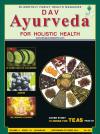 Sep 2010
 Jun 2010
 Feb 2010
 December 2009
 August 2009
 June 2009
 Feb 2009
 December 2008
 October 2008
 July 2008
 May 2008